Residential Generator Sizing Decisions
Automatic Generators: A Trustworthy Method for Constant Energy Flow
Power backup systems act as an essential defense against power interruptions. These systems operate smoothly, activating within seconds of an outage. Running on diverse fuels, these systems guarantee facilities stay running during emergencies. Yet, understanding their benefits see here and features is vital for achieving a sound choice. What elements need consideration before acquiring this type of unit? The subsequent parts examine these important factors.
Understanding Standby Generators: The Functionality
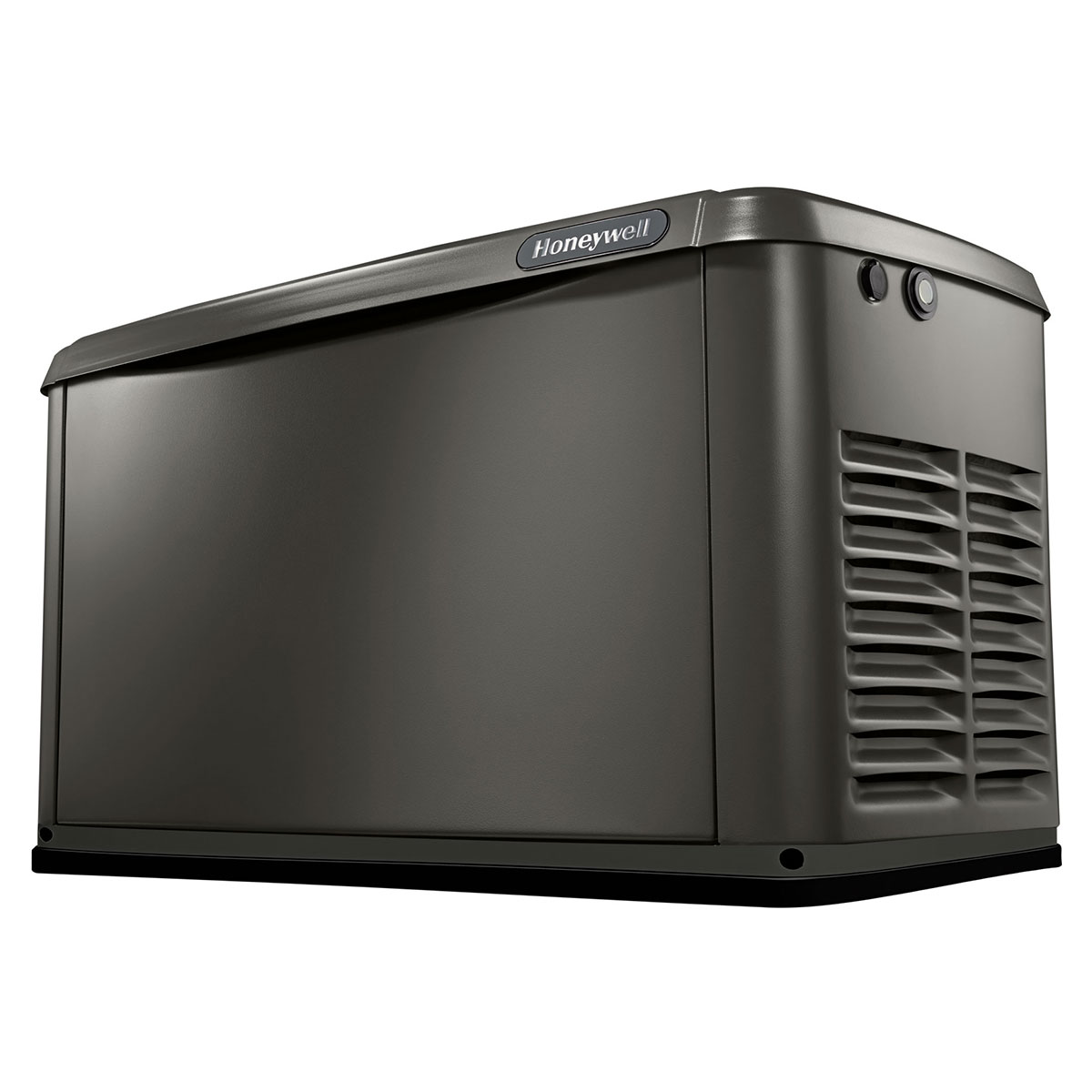
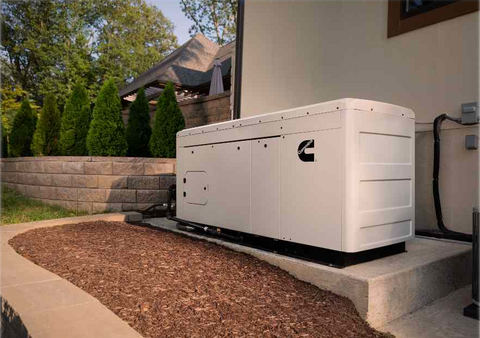
Automatic generators are vital systems that offer reliable emergency electricity during outages. Generators are often sited on the exterior of the property, linked to the main wiring and fueled by natural gas, propane, or diesel. When a power interruption occurs, the generator senses the power failure and begins operating immediately. This mechanism requires a specialized transfer switch, that isolates the property from utility power and links it to the backup unit
(Portland Standby Generators)The system starts creating electricity, supplying power to essential circuits or the whole building, relative to its output. Typically, these generators have a built-in monitoring system that guarantees proper functioning and maintenance. These units run for long durations, delivering dependable electricity until the public power returns. Grasping how backup generators work helps homeowners appreciate their role in enhancing energy security and reducing interruptions in the event of unforeseen blackouts
Advantages of Owning a Backup System
Trustworthiness is a key feature of installing a standby generator, since it ensures continuous electricity when the power fails. This vital function guarantees continuous operation for properties, safeguarding important possessions and preserving convenience. Furthermore, these generators improve protection through the avoidance of electricity loss that might cause dangerous conditions, such as burst plumbing or non-functional medical devices.
Value for money is a key positive aspect; while the initial investment may be high, the future financial benefits from minimizing spoilage, disrupted workflow, and emergency repairs can be remarkable. Furthermore, these generators add value to the property, making them an desirable characteristic for future homeowners.
Ease of operation is a key factor, as they turn on automatically during an outage, doing away with the requirement for human involvement. This uninterrupted functionality lets people to keep up their normal schedules without disruption. In conclusion, having a backup generator provides security, assuring that power is always available when it matters most.
Essential Characteristics to Seek in a Generator Unit
In the process of picking a standby generator, a few vital attributes need to be taken into account to guarantee peak performance and appropriateness for individual requirements. To begin with, the power output is vital; potential users must calculate the necessary power to support essential appliances during an outage. Additionally, the fuel type—whether NG, propane, or diesel—impacts performance and running expenses.
A further critical component is the transfer switch, which allows for effortless switching and enhances safety. The robustness and construction quality are also important; a well-built system can cope with extreme weather.
Furthermore, noise levels should be assessed, as quieter models are preferable for neighborhood settings. A few units provide self-starting features, offering ease of use during sudden power failures. Lastly, warranty and service options need to be checked, offering trustworthy maintenance and maintenance. When considering these factors, prospective buyers can select a standby generator that satisfies their specific energy requirements successfully.
Factors to Consider Before Purchase
Prior to purchasing a standby generator, potential buyers should thoroughly review a few vital considerations to ensure they reach an informed decision. Portland Standby Generators. To start, they must evaluate their energy requirements by figuring out the necessary capacity to run important appliances during an outage. Secondly, the power source is important; available types are natural gas, propane, or diesel, each with unique advantages and access factors
Moreover, customers need to examine the generator's power switch mechanism, which facilitates seamless power transfer. The requirements for installation are also important, as some generators might require expert setup or acquiring a permit
Service agreements and warranties should not be overlooked, since they significantly affect your satisfaction over time. Finally, those considering a purchase must check the generator's noise levels, above all if they are located in populated neighborhoods. By examining these factors, buyers are able to choose a standby generator that best meets their specific needs and preferences
How to Maintain Your Standby Generator
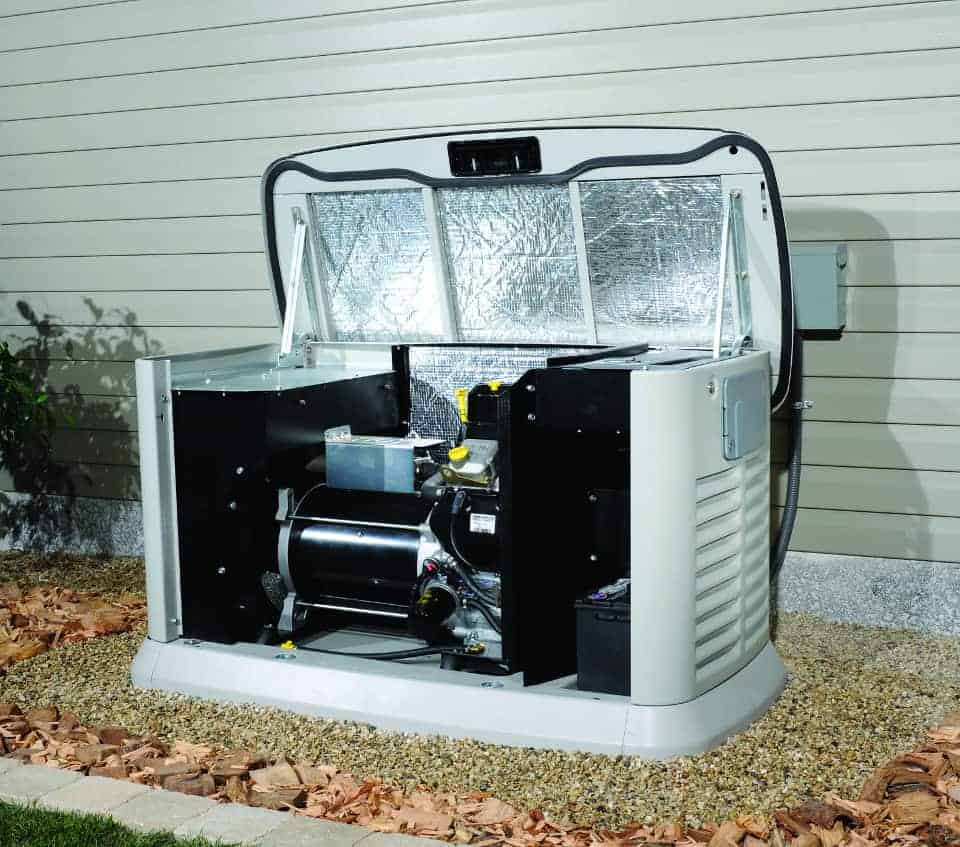
Routine servicing is crucial for guaranteeing peak performance and extending the life of the unit. Owners should begin by inspecting the oil level in the unit, and replace the oil and filter according to the manufacturer's recommendations. Regularly check the air filter and replace it as necessary to ensure proper air circulation. You should also test the battery cleaning corrosion from the terminals to ensure it starts reliably.
Conduct periodic load tests to ensure the unit can bear its rated capacity. Additionally, verify that the exhaust is clear of blockages and leaks. Maintaining a clean, debris-free generator will help prevent overheating and other issues.
Lastly, arrange for expert servicing at least once a year to address any potential problems and perform in-depth inspections. By using these maintenance practices will significantly prolong the life of a standby generator, providing peace of mind when the power goes out.
FAQs
What is the Average Cost of Standby Generators?
Backup generators usually range between $2,000 and $15,000, influenced by factors including the brand, power output, and complexity of installation. Other expenditures might cover maintenance, permits, and the cost of fuel tanks, affecting the total investment needed.
Can I Install a Standby Generator Myself?
It is possible to install a standby generator yourself, though it demands familiarity of local regulations and electrical systems. Experts suggest employing a specialist to guarantee safety, adherence to regulations, and optimal functioning of the generator installation.
What Fuels Do Standby Generators Use?
Standby generators typically use fuels such as natural gas, propane, diesel, or gasoline. Portland Standby Generators. The selection of energy source often depends on availability, cost, and specific energy needs, affecting the operation and efficiency of the generator
Do I Need Permits for Installation?
Absolutely, installation permits are usually mandated for the installation of standby generators. Regulations vary by location, so it is essential for homeowners or contractors to speak to the municipal government to ensure adherence with all relevant codes and requirements.
What is the Maximum Continuous Runtime Continuously?
A standby generator can run continuously for different lengths of time, usually between 24 and 48 hours, depending on fuel supply and load demands. Regular maintenance guarantees peak performance and longevity during long running times.